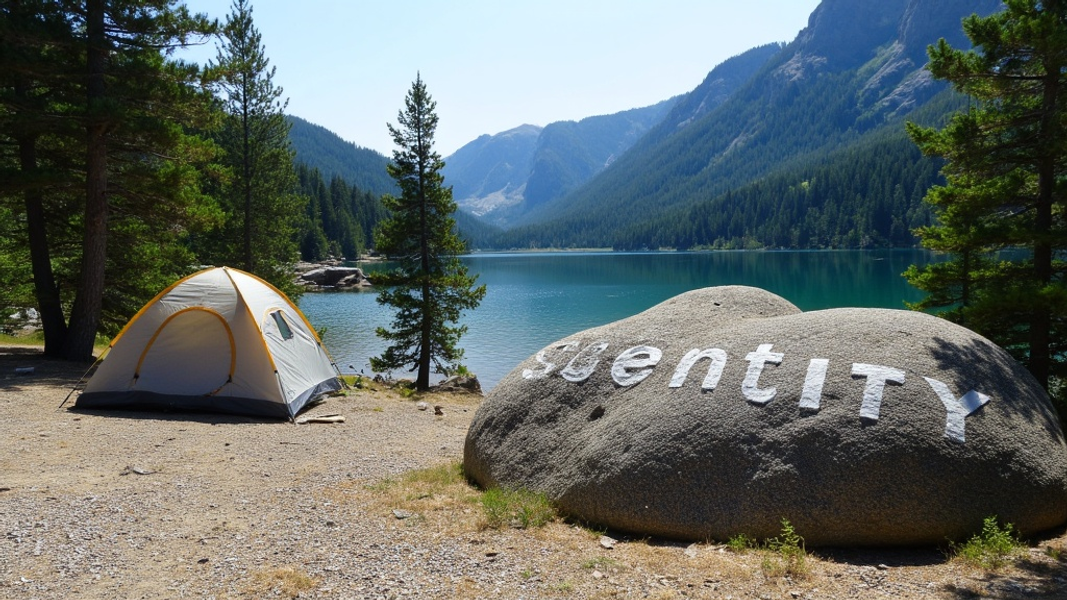
Learn essential tips for selecting a safe, comfortable, and environmentally-friendly spot for your outdoor adventure
Have you ever woken up with a sore back after a night of camping, or found yourself in a puddle during an unexpected rainstorm? Picking the right spot to pitch your tent can make or break your outdoor adventure. This guide will help you find the perfect campsite, keeping you safe, comfy, and kind to nature on your next trip.
Understanding Campsite Basics
Choosing a good campsite is more than just finding a flat spot. It's about balancing your needs with caring for the environment. A great campsite keeps you safe from weather and wildlife while letting you enjoy nature without harming it.
The Leave No Trace principles are key when camping. These rules help protect wild places so everyone can enjoy them. They include things like camping on durable surfaces and leaving what you find. By following these guidelines, you help keep nature beautiful for future campers.
Why Location Matters
Where you set up camp affects your whole trip. A good spot means better sleep, easier cooking, and more fun. It can also keep you safe from dangers like falling branches or flash floods.
The right location also helps you follow park rules and respect wildlife. Animals need access to water and food sources, so camping too close can disrupt their habits. By choosing wisely, you make sure both you and the animals have a good night.
Pre-Trip Planning
Before you head out, do some homework. This prep work makes finding a great campsite much easier when you arrive.
Check Regulations and Permits
Start by looking up the rules for where you want to camp. Many parks and forests have specific areas for camping. Some need permits, which you might have to get ahead of time. The National Park Service website is a good place to start for info on U.S. parks.
Don't forget to check if campfires are allowed. Fire rules can change based on the weather, so look for the most recent updates.
Study Maps and Guides
Get a good map of the area you'll be visiting. Look for campsites marked on the map, or areas that might make good spots. Guidebooks often have tips about the best places to camp. They can tell you about water sources, views, and things to watch out for.
Online forums and hiking apps can also be helpful. Other campers often share their experiences and favorite spots. Just remember that popular sites might be crowded, so have a backup plan.
Arriving at Your Camping Area
When you get to your camping area, take your time to find the right spot. Arrive with plenty of daylight left - at least two hours before sunset is a good rule.
Scan the Area
Start by walking around and getting a feel for the place. Look for flat areas that are big enough for your tent. Check for natural shelters like trees or big rocks that can block wind.
Keep an eye out for signs of wildlife, like tracks or droppings. You don't want to camp right on an animal path. Also, look up and around for dead trees or branches that could fall.
Check for Water Sources
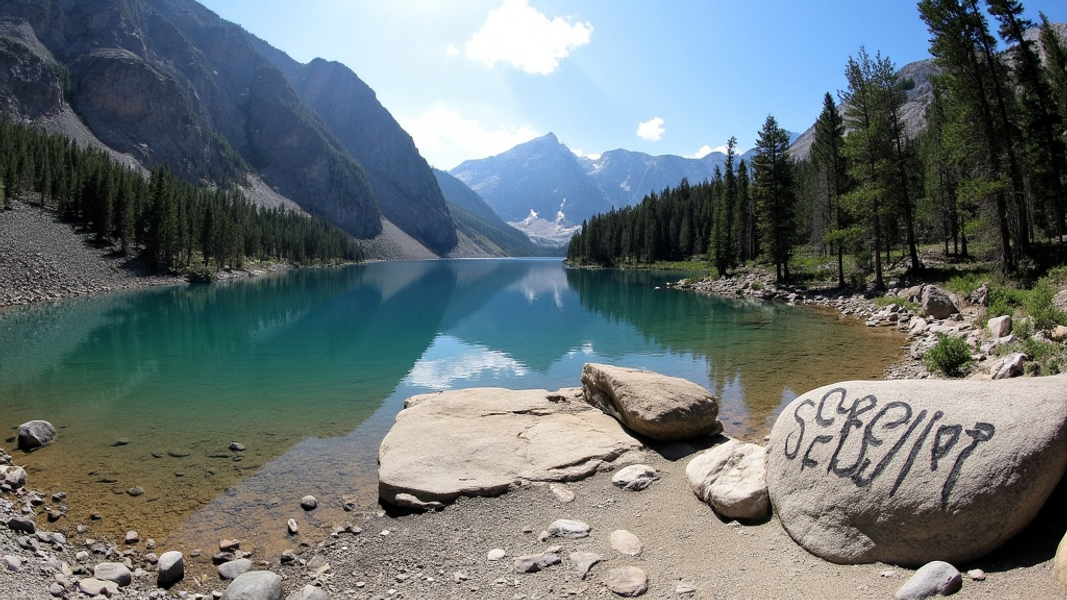
Water is crucial when camping. Look for streams, lakes, or rivers near potential campsites. Remember, you'll need to treat this water before drinking it. Bring a good water filter or purification tablets.
Don't camp too close to water, though. Stay at least 200 feet (about 60 big steps) away. This helps keep the water clean and gives animals space to drink.
Selecting Your Specific Site
Now that you've found a good area, it's time to pick your exact spot. This is where the details really matter.
1. Ground Conditions
Look for a level spot with good drainage. A slight slope can help water run off if it rains. Avoid the lowest areas, as cold air and water collect there.
Feel the ground with your hands. Is it soft enough to be comfortable, but firm enough to hold tent stakes? Remove any rocks or sticks that might poke through your tent floor.
2. Natural Shelter
Trees and large rocks can provide great shelter from wind and sun. They can also be dangerous in storms, so don't set up too close. A good rule is to stay farther away than the height of the tree or rock.
In hot weather, morning shade can help you sleep later. In cold weather, a spot that gets early sun can help warm you up faster.
3. Wind Protection
Wind can make camping miserable. Look for natural windbreaks like hills or dense bushes. If it's windy, set up your tent door away from the wind direction.
4. Potential Hazards
Check for hazards that might not be obvious at first. Look for:
- Dead trees or branches that could fall
- Areas that might flood if it rains
- Signs of rock slides or avalanches in mountainous areas
- Ant hills or other insect nests
Setting Up Camp Responsibly
Once you've found your spot, it's time to set up. How you do this can make a big difference to the environment and other campers.
Minimize Impact on Plants
Try to camp on bare ground or rock when possible. If you must set up on plants, choose tough grasses over fragile flowers or moss. Avoid making new paths - use existing trails to get to your tent and water source.
Proper Distances
Keep your camp at least 200 feet from water and trails. This helps protect water sources and gives privacy to you and other hikers. It also reduces your impact on wildlife that needs to use the water.
Be a Good Neighbor
If other campers are nearby, set up so you're not right on top of each other. Point your tent door away from other camps for privacy. Keep noise down, especially early in the morning and late at night.
Remember, bright lights can spoil the night sky for others. Use low-power lights and point them down when moving around camp at night.
Seasonal Considerations
Different seasons bring different challenges when choosing a campsite. Here's what to think about throughout the year:
Spring and Summer
In warm weather, shade becomes really important. Look for spots that will be shady in the morning so you can sleep in if you want. Be aware that spring can bring high water levels in streams and rivers.
Bugs can be a big problem in these seasons. Avoid camping near standing water where mosquitoes breed. A breezy spot can help keep bugs away. Don't forget to bring good bug spray!
Fall
Fall camping can be beautiful, but it brings its own challenges. Wind becomes more of an issue, so good shelter is key. Look for spots protected by hills or dense trees.
As nights get colder, think about where the morning sun will hit. A spot that gets early sunlight can make getting out of your warm sleeping bag easier.
Winter
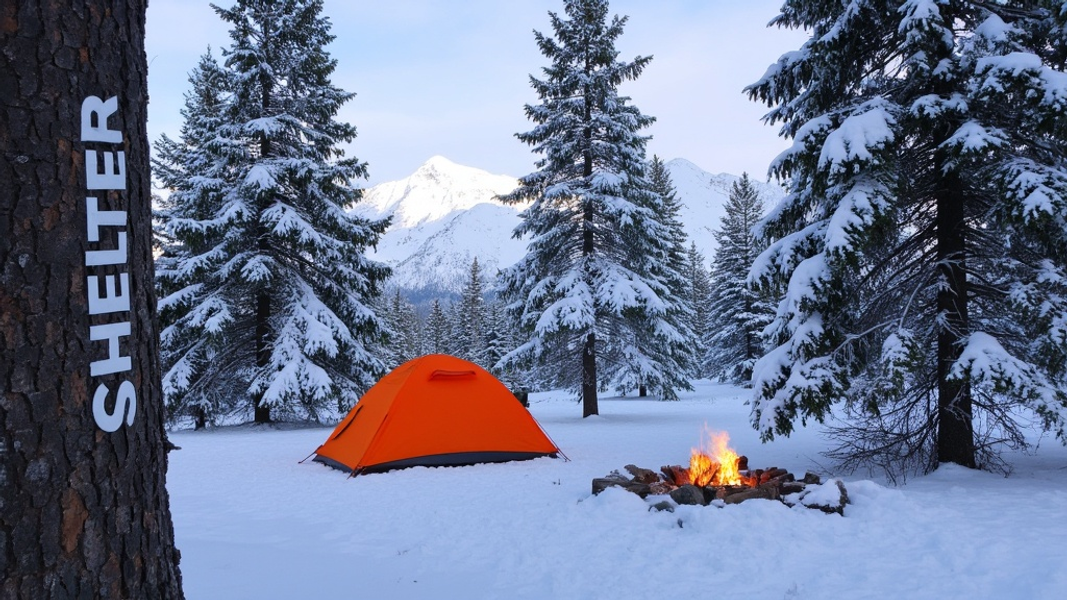
Winter camping requires extra care in choosing your site. Avoid avalanche-prone areas in the mountains. Look for spots sheltered from harsh winds, but be careful of snow-loaded branches overhead.
Camp on snow when possible to reduce your impact. Pack down the snow where you'll put your tent to create a flat, firm surface. Remember that you'll need special gear for winter camping, like a four-season tent and a warm sleeping bag.
Special Environments
Some places need extra thought when choosing a campsite. Here are tips for two unique environments:
Beach Camping
When camping on a beach, always check the tide schedule. Set up well above the high tide line. Look for signs of where the water has reached before, like lines of seaweed or driftwood.
Sand can be tough for tent stakes. Look for larger rocks to help anchor your tent, or bring special sand stakes. Be ready for wind - beaches often have strong breezes.
High Altitude Camping
At high altitudes, weather can change fast. Choose a spot with good protection from wind and lightning. Avoid the highest points, which are more likely to be hit by lightning.
Be extra careful about impact at high altitudes. Plants grow slowly here and take a long time to recover from damage. Stick to established sites when possible, and be extra careful about Leave No Trace principles.
Case Studies
Real-world examples can teach us a lot about choosing campsites. Let's look at two interesting cases:
REI's Campsite Selection Tours
REI, the outdoor gear company, started offering guided campsite selection tours. These tours teach campers how to pick great sites while protecting nature. They've found that hands-on learning really helps people understand the impact of their choices.
On these tours, guides show how small decisions, like camping a bit farther from a lake, can make a big difference. Campers learn to spot good sites and avoid common mistakes. The success of these tours shows how important good campsite selection skills are for enjoying the outdoors responsibly.
National Park Service Restoration Project
The National Park Service faced a challenge in popular camping areas. Years of use had damaged some sites badly. They started a project to restore these areas and teach better camping practices.
In one park, they closed some overused sites and created new ones in more durable areas. They also put up signs explaining why certain spots were off-limits. Rangers talked to campers about choosing sites that could handle use without getting damaged.
After a few years, the damaged areas started to recover. Campers learned to spread out more and choose tougher surfaces. This project showed how education and smart site selection can help protect beautiful places for the future.
Conclusion
Choosing a good campsite is a skill that gets better with practice. By thinking about safety, comfort, and nature, you can find great spots that make your trips more fun. Remember to always follow local rules and Leave No Trace principles. With these tips, you're ready to find the perfect home away from home in the great outdoors.
FAQs
How far should I camp from water?
Stay at least 200 feet (about 60 big steps) away from any water source. This helps keep the water clean and gives animals space to drink.
What should I do if there are no established campsites?
If you must camp in an undisturbed area, look for durable surfaces like rock, gravel, or dry grass. Avoid fragile plants and try to leave no trace of your stay.
Is it okay to clear an area for my tent?
It's best to find a naturally clear spot. If you must move small items like pinecones or twigs, scatter them back over the area when you leave. Never cut plants or break branches for your campsite.
How can I tell if a site might flood?
Look for signs of past water flow, like wash lines on trees or debris piles. Avoid low spots near rivers or in narrow canyons, especially if rain is possible.
What's the best way to deal with trash at a campsite?
Always pack out what you pack in. Bring bags to carry out all your trash, including food scraps. If you find trash left by others, please pack that out too if you can.
